
14-Day Money-Back Guarantee
0
Spider-Man Films: Order, Versions, Costumes and Universes
For over 20 years, Spider-Man has been an essential icon of superhero cinema. From the cult Sam Raimi trilogy with Tobey Maguire to the groundbreaking animated worlds of the Spider-Verse, by way of the hero joining the Avengers through the MCU, every film has left its mark on a generation.

With all the timelines, the reboots, the alternate versions and the multiverse plots… it is hard to keep track. And yet, understanding how Spider-Man has evolved on screen means diving into more than two decades of stories, iconic costumes and transformations that redefined the superhero genre. If you want to carry on the experience, find all the Spider-Man DVDs to relive these adventures at home.
👉 What this guide is for:
- Give you the complete viewing order of the Spider-Man films.
- Explore every version and the actor behind it.
- Discover the evolution of the costumes and special effects.
You are in the right place. Here is the ultimate guide to the Spider-Man films, designed to take you through a complete cinematic journey, where every era has left its mark on the web-slinger and on global pop culture.
For the casts – casting line-ups: all the casts of every Spider-Man
Film Release Order
But before the big screen and modern blockbusters, Spider-Man had already had quiet beginnings in forgotten TV films and series. Here is a look back at those first adaptations.
The First Spider-Man Films and TV Movies (1970–1981)
Before Tobey Maguire propelled Spider-Man to the very top of cinema in 2002, the web-slinger had already been through several live-action adaptations. These films and TV movies, often forgotten, still bear witness to the earliest attempts to bring the wall-crawler to life on screen. Their budgets were limited, but they left their mark on the character’s history and deserve to be rediscovered.
The Adventures of Spider-Man (1970)
An experimental Japanese and American TV series, broadcast on television in the 1970s. With its rudimentary but ambitious special effects for the time, it helped to establish Spider-Man as a truly transmedia hero.
Spider-Man (1977)
This pilot TV movie for the American series is the very first live-action adaptation of Spider-Man. It laid down the visual and narrative foundations of the hero on screen, long before the era of modern blockbusters. Even though the technical means of the time were limited, the film remains a cult curiosity for fans who want to explore Spidey’s screen origins.
👉 Read the full analysis in our dedicated article:
Spider-Man (1977).
Spider-Man Strikes Back (1978–1979)
Also known as Deadly Dust, this two-part episode sees Spider-Man take on a threat linked to a chemical weapon. Although it never had a feature film’s budget, it shows a real appetite for darker storylines with the hero.
👉 Dive into the full analysis:
Spider-Man Strikes Back (1978–1979).
Spider-Man: The Dragon’s Challenge (1981)
A TV movie that blends martial arts with superheroes, a reflection of the cinematic influences of the time. Often written off as kitsch, it is still a cult favourite for some fans and rounds off Spidey’s early appearances on the small screen.
👉 Read our detailed article:
Spider-Man: The Dragon’s Challenge (1981).
👉 These early adaptations, a world away from modern blockbusters, are a reminder that Spider-Man has always fascinated, even in his most modest forms. Today they are part of the legend and cement the hero’s place as a global cultural icon.
Spider-Man Films at a Glance
| Film | Year | Actor | Universe | Main Villain |
|---|---|---|---|---|
| Spider-Man | 2002 | Tobey Maguire | Sam Raimi | Green Goblin |
| Spider-Man 2 | 2004 | Tobey Maguire | Sam Raimi | Doctor Octopus |
| Spider-Man 3 | 2007 | Tobey Maguire | Sam Raimi | Venom, Sandman |
| The Amazing Spider-Man | 2012 | Andrew Garfield | Sony | Lizard |
| The Amazing Spider-Man 2 | 2014 | Andrew Garfield | Sony | Electro |
| Captain America: Civil War | 2016 | Tom Holland | MCU | — |
| Spider-Man: Homecoming | 2017 | Tom Holland | MCU | Vulture |
| Avengers: Infinity War | 2018 | Tom Holland | MCU | Thanos |
| Spider-Man: Into the Spider-Verse | 2018 | Shameik Moore (Miles Morales) | Animation | Kingpin, Prowler |
| Avengers: Endgame | 2019 | Tom Holland | MCU | Thanos |
| Spider-Man: Far From Home | 2019 | Tom Holland | MCU | Mysterio |
| Spider-Man: No Way Home | 2021 | Tom Holland | MCU | Green Goblin, Doctor Octopus, Electro |
| Spider-Man: Across the Spider-Verse | 2023 | Shameik Moore (Miles Morales) | Animation | The Spot |
| Spider-Man: Brand New Day | 2026 | Tom Holland | MCU | Read our full guide |
| Spider-Man: Beyond the Spider-Verse | 18 June 2027 (announced) | Shameik Moore (Miles Morales) | Animation | — |
Brand New Day was released in France on 29 July 2026. To keep things spoiler-free, the main antagonist is covered in detail in our feature on the film’s villains, and the post-credits scene in our breakdown of the ending.
The Different Versions of Spider-Man
Since his big-screen debut, Spider-Man has been played by several actors, each bringing his own take on the hero. From Tobey Maguire to Andrew Garfield, by way of Tom Holland, every version has left its mark on audiences in its own way. For a closer look at all the actors who have played Spider-Man on screen and how they shaped the web-slinger’s story on the big screen, here is an overview of the three most iconic faces.
Tobey Maguire: the Spider-Man for nostalgic fans
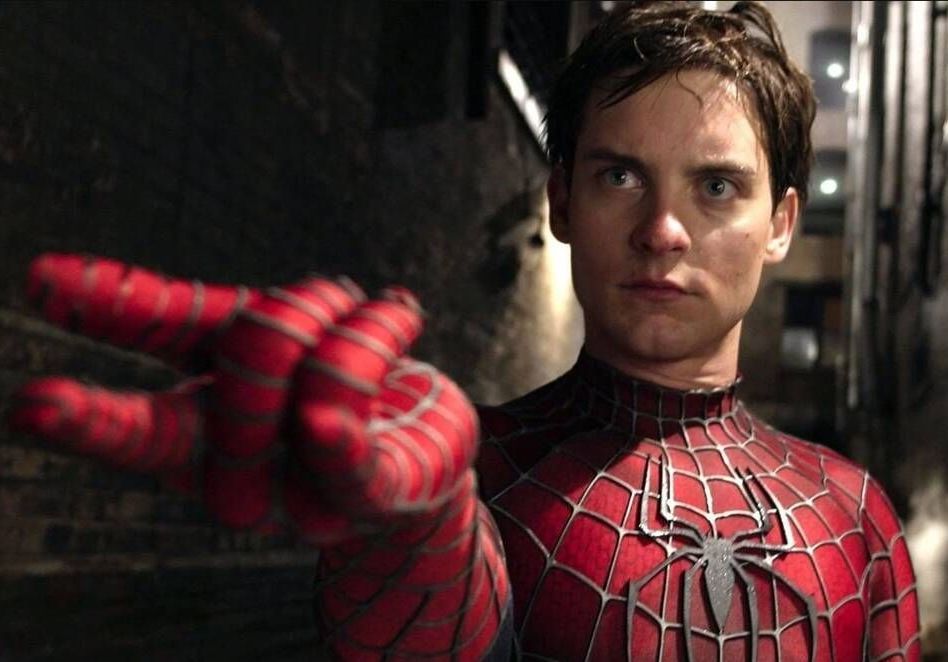
The first actor to play Spider-Man in a modern big-budget feature film, Tobey Maguire left his mark on the history of superhero cinema. Under the direction of Sam Raimi, he brought to life a Peter Parker who is deeply human, shy, introverted and eaten away by guilt.
Faithful to the comics of the 1960s–80s, his performance blends a serious, dramatic tone with intense moral dilemmas. Tobey lives through a genuine Greek tragedy: the loss of Uncle Ben, an impossible love story with Mary Jane, and psychological showdowns against legendary enemies such as the Green Goblin or Doctor Octopus.
🎭 A costume that became iconic
Tobey Maguire’s red and blue suit, with its raised texture and its imposing spider symbol, remains one of the most recognisable designs the character has ever had. It embodies a hero rooted in classic heroism, ready to sacrifice himself for others.

❤️ Raimi’s trilogy with Tobey Maguire laid the foundations of modern superhero cinema. For many people his version remains the most emotional and the most noble, capturing perfectly the weight of responsibility. Even today he is still seen as the Spider-Man for nostalgic fans.
Andrew Garfield: the edgy, tormented Spider‑Man
2012–2014 • TASM
Gwen Stacy romance
Return in No Way Home
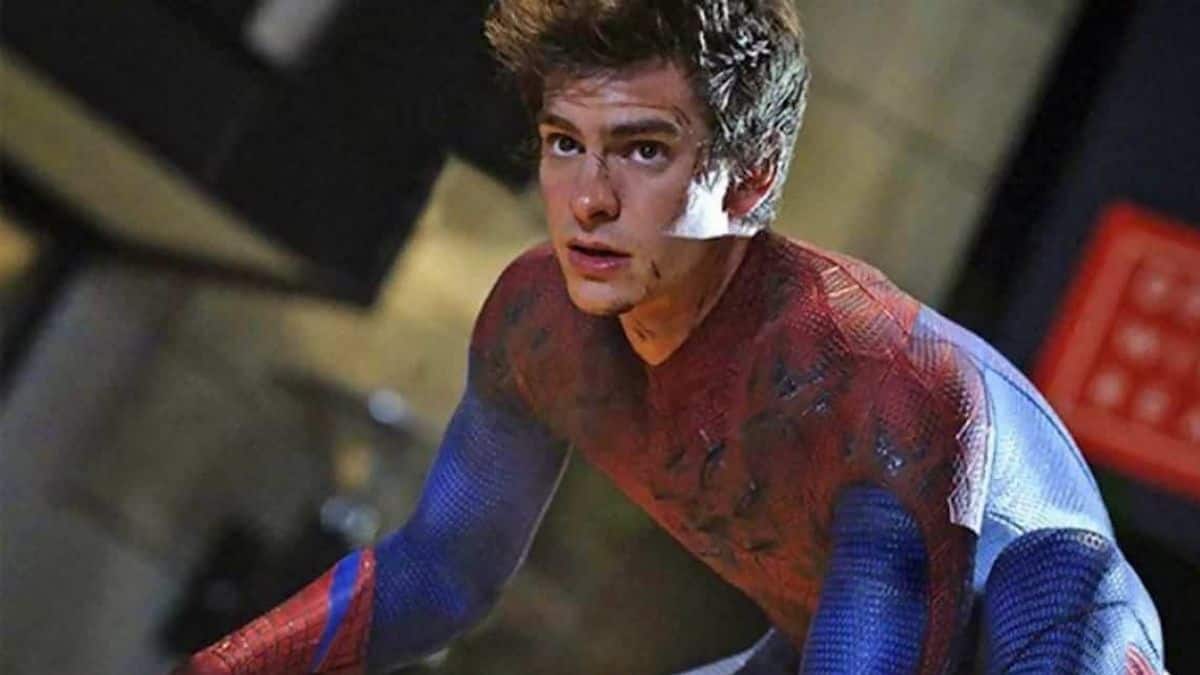
In 2012, Andrew Garfield took up the torch in the saga The Amazing Spider‑Man, a reboot that is darker, edgier and more modern. His Peter Parker is less introverted, sharper and more sarcastic, but above all deeply tormented by grief and by a very personal search for identity.

The relationship with Gwen Stacy (Emma Stone) is the beating heart of this version: a love story that is mature and heartbreaking and that has stayed with fans ever since (see our analysis of the death of Gwen Stacy).
Technically, Garfield delivers a performance that is physical: elastic movement, acrobatic poses, a believable web‑swing. Emotionally, he plays a Spidey who is broken but still fighting, finding a form of redemption when he returned in No Way Home.
The TASM tone
Urban, edgy, sharp humour,
intimate stakes.
✦ Key moments
• The promise to Capt. Stacy
• Gwen’s fall (tragedy)
• Redemption in NWH
‘An agile, visceral Spider‑Man whose vulnerability is exactly what makes him strong.’
🎬 What defines his version
- Modern energy: an agile, quick Spidey with biting humour.
- Intimate drama: loneliness, grief, an identity in crisis.
- Romance at the centre: chemistry with Gwen, a founding tragedy.
- Redemption: a cathartic moment in No Way Home.
💡 In short: in just two films, Andrew Garfield established a Spider‑Man who is edgy and sensitive.
His multiverse comeback confirmed just how attached audiences are to this incarnation.
Tom Holland: the MCU Spider‑Man, from secondary school to cosmic stakes
2016 — present • Homecoming • Far From Home • No Way Home • Avengers
Part of the MCU
Mentored by Tony Stark
Fast growth & responsibility
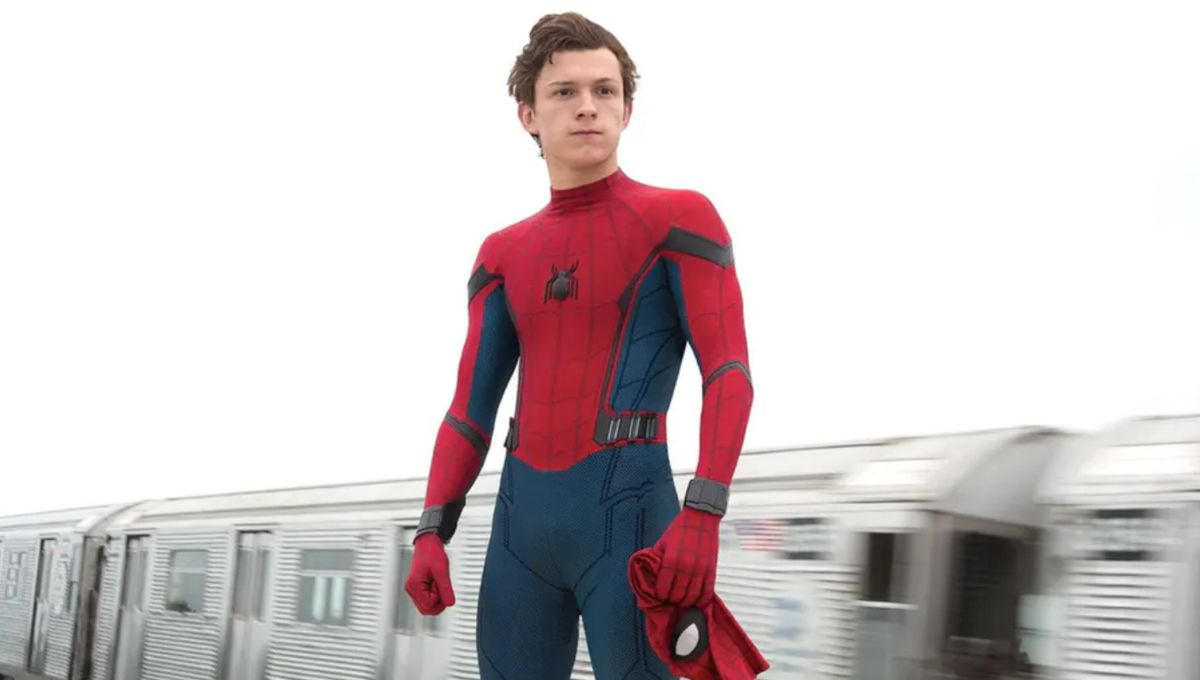
Since 2016, Tom Holland has played a younger Spider‑Man, dropped straight into the heart of the Marvel Cinematic Universe. Enthusiastic and naive at first, Peter is very quickly faced with stakes far bigger than he is — from school life to intergalactic crises.
Brought into the Avengers right from the start, he becomes the protégé of Tony Stark: a defining relationship, at once fatherly and demanding, which speeds up the way he takes on responsibility. From discovering his powers to the fight against Thanos, and then the bitter loneliness of No Way Home, his arc traces a dizzying climb towards maturity.

Holland combines endearing clumsiness, humour and gravity when everything falls apart — a ‘universal’ Spider‑Man, in tune with our times: geeky, loyal, brave, deeply human.
To follow Peter’s psychological development across this continuity, have a look at the full story of Peter Parker.
The ‘Friendly Neighborhood’ 2.0
A local neighbourhood hero promoted to Avenger: two scales, one and the same ethic.
Key moments
Recruited by Stark • The Blip & the return • The sacrifices of No Way Home
‘The most “MCU‑native” Spidey: intimate, funny, yet shaped by titanic stakes.’
🎬 What makes the Holland version stand out
- Rooted in school life + Avenger missions: a double life pushed to the extreme.
- Stark’s mentoring: high‑tech suits, lessons learned… then independence.
- Humour & vulnerability: a bright tone, with major emotional gut-punches.
- A coming-of-age arc: from carefree youth to solitude, without ever losing his humanity.
💡 In short: Tom Holland plays a Spider‑Man of the MCU generation, at once a caring neighbour
and a key player in cosmic events — a delicate balance that has become his signature.
🎧 Miles Morales: the modern Spider‑Man, between legacy and identity
Since 2018 • Into / Across the Spider‑Verse • Brooklyn • Afro‑Latino
Urban soundtrack
One-of-a-kind visual style
Peter Parker’s heir
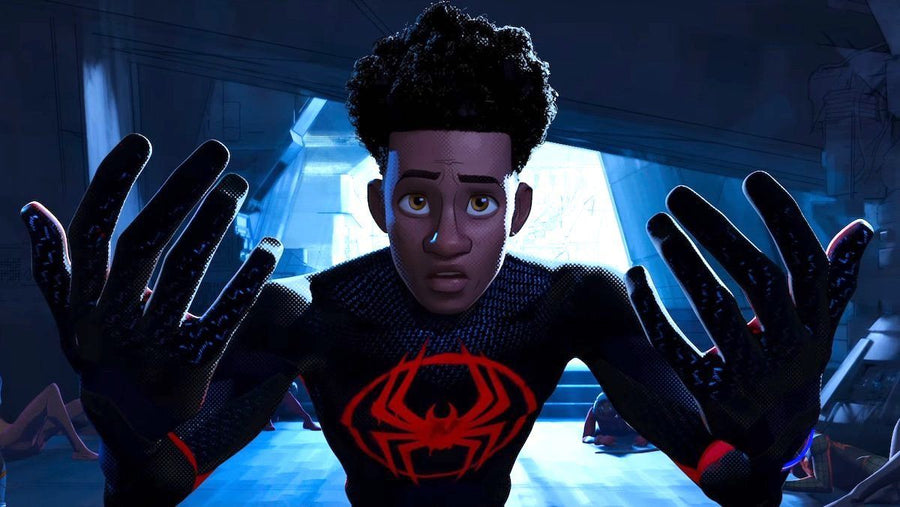
Miles Morales became a cultural phenomenon right from Into the Spider‑Verse (2018). Afro‑Latino, a teenager and an artist at heart, he grows up in Brooklyn, in the middle of a buzzing urban world.
His story is more introspective: it follows a young man who discovers unexpected powers and has to build himself into a hero while honouring Peter Parker’s legacy. Unlike other incarnations, Miles doubts himself, stumbles and hesitates — and that is exactly what makes him deeply human and inspiring.
The animated Spider‑Verse universe — start with the first film — blends 2D/3D and comic-book textures with a musical rhythm that follows his emotions. The result: a Spider‑Man who is modern and inclusive, where ‘anyone can wear the mask’.
Identity & legacy
Doubts, family, culture — a hero’s journey rooted in real life.
Visual signature
Rhythm, onomatopoeia, comic-book textures: a whole new visual language.
‘Miles reminds us that being Spider‑Man is not about age, but about a choice — of heart and courage.’
🕸️ What defines Miles Morales
- Coming‑of‑age: becoming yourself, despite the weight of the symbol.
- Generational resonance: family, school, friendships, creativity.
- Spider‑Verse aesthetic: fast-paced storytelling, hybrid visual codes.
- Inclusive message: ‘Anyone can wear the mask’.
💡 In short: Miles is the Spider‑Man of our times — sensitive, inventive, many-sided —
and proof that heroism starts with accepting who you are.
Join the Spider-Man fan community
Sign up to receive our exclusive news, our original analysis and our best offers from the Spider-Man universe.
🎁 And get an immediate special discount code valid on your first order.
By signing up, you officially join our Spider-Newsletter and receive your discount code.
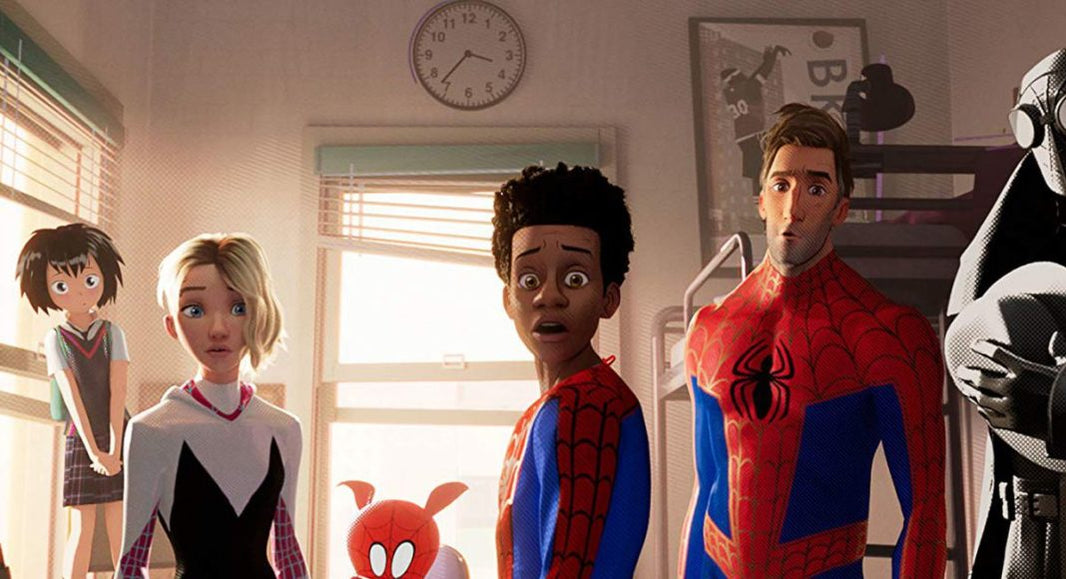
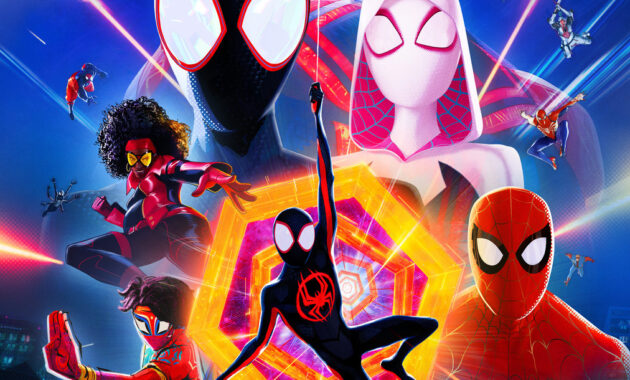
Spider-Gwen, Peni, Spider-Man Noir
The great Spider-Man sagas on screen
Three versions, three eras, three visions of the hero. Each saga left its mark in its own way, between tragedy, technology and the leap into the Marvel multiverse.
Sam Raimi's trilogy (2002–2007)
With Tobey Maguire, this trilogy laid the foundations of modern superhero cinema. Spider-Man (2002) literally started it all , setting a powerfully dramatic tone and a deeply human vision of the hero.
The second film, Spider-Man 2 (2004) , is often considered one of the finest superhero films ever made, thanks to its perfect balance between spectacular action and the personal drama of Peter Parker's dilemma.
The trilogy closes with Spider-Man 3 (2007) , a film long argued over by fans but reassessed today for its narrative ambition and its exploration of Peter Parker's darkest sides.
This saga gave us antagonists that became cult figures, such as the Green Goblin and Doctor Octopus, and above all a poignant reflection on responsibility, sacrifice and loss — themes that defined Spider-Man's cinematic DNA for the decades that followed. To understand why these films still hit so hard today, have a look as well at why Sam Raimi's Spider-Man trilogy became a cult classic .
The Amazing Spider-Man (2012–2014)
Played by Andrew Garfield, this Spider-Man is more agile, more high-tech, but also deeply tormented. The Amazing Spider-Man (2012) introduced a bold reboot that refocuses the story on Peter Parker's psychology and his visceral need to understand his origins.
The sequel, The Amazing Spider-Man 2 (2014) , pushes the tragic dimension even further, above all through the relationship with Gwen Stacy. Their story brings an emotional intensity that is rare in a superhero film, blending closeness, hope and heartbreak, in a darker atmosphere shaped by an ever-present search for identity.
The MCU Spider-Man (2016–2023)
With Tom Holland, Spider-Man steps straight into the Marvel Cinematic Universe . This younger, more modern Peter Parker fights alongside the Avengers, Iron Man and Doctor Strange. He still stays true to the DNA of the teenage hero, facing the complexity of the adult world while growing up in front of us.
Spider-Man: Brand New Day (2026), the fourth chapter
Released in France on 29/07/2026, the film picks up four years after No Way Home, with a Peter Parker the whole world has forgotten. Here is everything worth knowing before or after your screening.
Before the screening: what you need to have seen
Only one film is genuinely essential, and a handful of series help you get to grips with the supporting characters. We sort it all out in our guide to what you need to have seen before Brand New Day, spelling out what you can safely skip as well. Parents will find the official age ratings and age guidance in our feature on the film and younger viewers.
After the screening: the post-credits scene
The film contains only one bonus scene, and it lands after the entire credit roll and even after the studio logos — plenty of people walk out convinced there is nothing. It is all broken down in our analysis of the post-credits scene and the ending.
A Peter Parker you barely recognise
That is the gamble of the film: a hero nobody remembers any more, and a loneliness that becomes the subject itself. The full portrait is in our breakdown of the Peter Parker of this fourth film, and the Fresh Start suit translates that change of tone visually.
The Punisher enters the picture
Jon Bernthal returns as Frank Castle and delivers one of the most talked-about encounters in the film. His journey and his role are detailed in our feature on his big-screen arrival, rounded off by the full character profile.
The adversaries and the film's reception
On the villain side, we have run through the announced villains, as well as Tarantula and The Hand clan. To find out what the press makes of it, figures included, head to our round-up of the critical reception.
Taking the film home with you
The Brand New Day selection brings together everything tied to the film, from the masks to the figures and the T-shirts. The cosplay costumes let you take the tribute all the way.
🕷️ Spider-Man's Most Iconic Suits on the Big Screen
6 legendary suits — 24 years of visual evolution
Since his first big-screen appearance in 2002, Spider-Man has worn more than a dozen different suits — each one telling the story of an era, a technology, a vision of the character. From Tobey Maguire's hand-stitched fabric to Tom Holland's Stark nanoparticles, by way of the black symbiote and the made-to-measure suit of No Way Home, every outfit has become a cult object for fans. Here are the 6 most iconic suits in the web-slinger's film history, in the order they made their mark on the big screen.


🏆 Which Spider-Man suit is the best?
The fan verdict is still split, and that is exactly what makes Spider-Man unique. Tobey Maguire remains the absolute icon for origin-story purists. Andrew Garfield offers the most successful comics silhouette. Tom Holland has the richest narrative arc, across 5 films. Miles Morales embodies the new generation. And the hand-stitched suit from No Way Home represents the web-slinger's rediscovered maturity. Every suit defends a legitimate vision — there is no wrong answer.
Want to know everything about Spider-Man's most legendary suits, including the Iron Spider, the Far From Home Stealth Suit, and the hidden variants from the comics?
📖 Read the full suit guide →Spider-Verse: a visual and narrative revolution
The films Into the Spider-Verse and Across the Spider-Verse redefined the web-slinger for a whole new era. Dive into the colourful, emotional world of the Spider-Man multiverse.
In 2018, Spider-Man: Into the Spider-Verse was a visual and storytelling knockout. Then in 2023, Across the Spider-Verse pushed everything even further. These two films mark a genuine turning point in animation and, above all, in the story of Spider-Man.
Thanks to bold direction and a hybrid graphic style, the film offers total immersion in the Spider-Verse: a teeming multiverse packed with alternative versions of the hero. Viewers meet Miles Morales, an Afro-Latino teenager thrown into the role of Spider-Man. A modern hero — young, endearing and carrying a powerful message: ‘Anyone can wear the mask’.
🕷️ An army of Spider-Men, each with their own style
The multiverse introduces a fascinating gallery of heroes and heroines, all different but driven by the same values:
- Spider-Gwen (Gwen Stacy), a rebellious musician with serious style
- Spider-Man Noir, a 1930s detective in black and white
- Peni Parker, a high-tech teenager and her spider mech
- Peter B. Parker, the weary, touching version of Spider-Man
- Spider-Ham, the absurd and hilarious cartoon one
- And plenty more in the second film: Spider-Man 2099, Pavitr Prabhakar, Spider-Cat, etc.
Every character has their own visual signature, their own graphic language, and their own rhythm. The film blends 2D, 3D, pencil sketches, digital painting, glitch effects and animated comics. An aesthetic masterpiece, awarded the Oscar for Best Animated Feature in 2019.
Across the Spider-Verse: denser, deeper
Across the Spider-Verse goes even further into narrative complexity. It explores:
- Dozens of dimensions crossing over in real time
- Deep questions of identity (destiny, free will, sacrifice)
- New figures such as Spider-Man 2099 or Spider-Punk
- Dramatic tension worthy of the greatest thrillers
- An immersive soundtrack and an explosive visual rhythm
This second instalment puts Miles Morales face to face with his choices, his legacy and his own legitimacy as Spider-Man. A moving reckoning that speaks to teenagers and adults alike.
A generational (and marketing) phenomenon
These films are not just animated entertainment. They are genuine artistic manifestos, deep stories about identity, legacy and everyone’s capacity to become a hero.
And their impact goes far beyond the screen: Spider-Verse figures, stylish T-shirts, collector posters and Miles and Spider-Gwen costumes are now among the most sought-after Marvel products around.
The Spider-Verse has become far more than a film series: it is a shared language, a mirror universe in which anyone can see themselves.
Spider-Man’s biggest box-office hits
- No Way Home (2021): $1.9 billion at the global box office (including more than $800 million in the United States alone)
- Far From Home (2019): $1.1 billion
- Spider-Man 3 (2007): $890 million
- Across the Spider-Verse (2023): $690 million, making it the highest-grossing Spider-Man animated film ever
- The Amazing Spider-Man (2012): $758 million, beating The Amazing Spider-Man 2 ($709 million) at the global box office
- Into the Spider-Verse (2018): $375 million + the Oscar for Best Animated Feature
These figures confirm that the web-slinger remains one of the most profitable heroes and best-loved by the public, crossing generations without losing an ounce of popularity. If you want to know which is the best Spider-Man film of all time, we have put together a full comparison to help you decide.
🚀 And it is nowhere near over! The film Spider-Man: Beyond the Spider-Verse is already shaping up to be one of the most anticipated of 2025, with enormous hype around the conclusion of the animated multiverse.
🎥 On the live-action side, Spider-Man: Brand New Day is getting plenty of attention. Between rumours, official announcements and the return of Tom Holland as Peter Parker, expectations could not be higher for this new phase of the MCU.
Sony Pictures Animation Multiverse
Spider-Verse: the Visual and Narrative Revolution
How Into the Spider-Verse (2018) and Across the Spider-Verse (2023) redefined the web-slinger for a new era — and opened the door to a whole multiverse of Spider-Heroes.
In 2018, Spider-Man: Into the Spider-Verse was a visual and storytelling knockout. Then in 2023, Across the Spider-Verse pushed everything even further. These two films mark a genuine turning point in animation and, above all, in the story of Spider-Man.
Thanks to bold direction and a hybrid graphic style, the film offers total immersion in the Spider-Verse: a teeming multiverse packed with alternative versions of the hero. Viewers meet Miles Morales, an Afro-Latino teenager thrown into the role of Spider-Man — a modern hero carrying a powerful message: ‘Anyone can wear the mask’.
🕸️ An Army of Spider-Heroes, Each With Their Own Style
8 iconic figures from the multiverse, each with its signature palette
Brooklyn — 2018
Miles Morales
The Afro-Latino Spider-Man from Brooklyn. The main hero of the Spider-Verse, with his iconic black and red suit.
Earth-65 — Punk
Spider-Gwen
Gwen Stacy as a rebellious musician Spider-Woman. Watercolour aesthetic, feminine punk-rock energy.
The jaded mentor
Peter B. Parker
The weary, touching version of Peter. Divorced, jaded, deeply human.
1930s — Black & White
Spider-Man Noir
A hardboiled detective in 1930s New York. Coming soon in a live-action series with Nicolas Cage.
Earth-14512 — Anime
Peni Parker
A Japanese teenager piloting the SP//dr spider mech. Offbeat anime aesthetic.
Earth-8311 — Cartoon
Spider-Ham
Peter Porker, the parody spider-pig. The absurd, hilarious cartoon of the multiverse.
Year 2099 — Cyberpunk
Miguel O'Hara 2099
The cyberpunk anti-hero from the future. The central antagonist of Across the Spider-Verse.
Earth-138 — Anarcho
Spider-Punk
Hobie Brown, the British punk-rock Spider-Man. Mohawk, guitar, anti-establishment.
+ Pavitr Prabhakar, Spider-Cat, Spider-Rex, Sun-Spider and dozens of other variants in Across the Spider-Verse
🌌 Across the Spider-Verse: Denser, Deeper
The second instalment goes even further in narrative and visual complexity. The film explores dozens of dimensions crossing over in real time — each with its own graphic style, its own palette, its own animation rhythm. Earth-1610 (Miles) stays in saturated comic-book colours. Earth-65 (Gwen) shifts into emotional watercolour. Earth-928 (Miguel 2099) plunges into neon cyberpunk. Technically, it is one of the most ambitious animated films ever produced.
Beyond the technical feat, Across the Spider-Verse asks deep questions about identity: imposed destiny against free will, sacrifice against personal choice, the legacy you carry against the person you choose to become. Miles Morales is placed face to face with his own choices, his legitimacy, his relationship with the Spider-Man myth. A moving reckoning that speaks to teenagers and adults alike — setting the stage perfectly for the long-awaited conclusion, Beyond the Spider-Verse.
💫 A Generational (and Marketing) Phenomenon
These films are not just animated entertainment. They are genuine artistic manifestos, deep stories about identity, legacy and everyone’s capacity to become a hero. Into the Spider-Verse won the Oscar for Best Animated Feature in 2019, and Across the Spider-Verse redefined what audiences expect from the animated medium.
Their impact goes far beyond the screen. Spider-Verse figures, stylish T-shirts, collector posters and Miles and Spider-Gwen costumes are now among the most sought-after Marvel products around. The Spider-Verse has become far more than a film series: it is a shared language, a mirror universe in which anyone can see themselves.
Want to understand the whole Spider-Man multiverse — its Spider-Totems, its Inheritors, its founding comic arcs and every version of the web-slinger?
🕸️ Explore the full Spider-Verse page →Every version has its own aisle
You have picked your favourite Spider-Man while reading this page. Here is where to find him, film by film and version by version.
FAQ - Spider-Man Films
What is the best Spider-Man film?
The best Spider-Man film often comes down to your generation and what you expect from a film.
- For day-one fans, Spider-Man 2 by Sam Raimi (2004) is seen as a masterpiece of storytelling and emotion, not least thanks to its iconic antagonist, Doctor Octopus.
- Among MCU fans, No Way Home (2021) stands out for the ambition of its script, bringing the three big-screen versions of Spider-Man together in a spectacular tribute.
- On the animation side, Into the Spider-Verse (2018) is unanimously praised for its visual boldness, its soundtrack and its universal message: anyone can wear the mask. It even won the Oscar for Best Animated Feature.
Should you watch in release order or in chronological order?
It all depends on what you are after.
- Release order lets you live through the way the films, the special effects and the different versions of the character evolved over the years. It is perfect if you want to watch them exactly as audiences first discovered them.
- Chronological order, on the other hand, helps you make better sense of the narrative logic of the connected universes (especially for the MCU Spider-Man). It is useful for following the character’s growth inside the shared Marvel universe.👉 If you are new to this universe or watching with a child, start with release order. If you are already a fan, giving chronological order a go will let you rediscover hidden connections.
Is Spider-Man an Avenger?
Yes, within the Marvel Cinematic Universe (MCU), the Spider-Man played by Tom Holland really was brought into the Avengers.
He first appears in Captain America: Civil War (2016), recruited by Tony Stark. After that he takes an active part in the major events of the Marvel universe: Avengers: Infinity War (2018), Avengers: Endgame (2019) and, of course, his own films.
The earlier versions of Spider-Man (Tobey Maguire and Andrew Garfield), however, were never part of the Avengers, because their films were not tied to that shared universe.
In No Way Home, the three Spider-Men meet, but only Tom Holland’s is an Avenger.
Who is Miles Morales?
Miles Morales is a character from a universe parallel to Peter Parker’s, created by Marvel in 2011.
He is of African-American and Latin American heritage and lives in Brooklyn. When a dramatic event strikes his dimension, he inherits Spider-Man’s powers and becomes a new hero himself.
The character has grown in popularity thanks to his charisma, his values, his own distinct identity and above all the way he embodies a new generation of Spider-Man.
He is the main character of the animated films Spider-Man: Into the Spider-Verse and Across the Spider-Verse, where he discovers that he is not the only Spider-Man but part of a vast multiverse.
Today Miles stands for a younger, more inclusive and refreshing take on Spider-Man, one that younger generations have really taken to heart.
Are there any more Spider-Man films on the way?
Yes, several projects are in development
Spider-Man: Beyond the Spider-Verse (the direct sequel to Across the Spider-Verse) is on the way, although its release date has been pushed back. It will be the conclusion of the animated trilogy centred on Miles Morales.
Over on the MCU Spider-Man side, a sequel to No Way Home is also in the works, again with Tom Holland. Rumour has it that it will be a more ‘street-level’ return, more intimate and darker, the way it all started.
🕷️ 100% Spider-Man Shop
Take the Spider-Man Experience Further
Dived into the films and the costumes? Now step into the web-slinger’s complete universe — all within easy reach.
👕
Spider-Man T-shirts
To show off your spider style every single day
🕷️
Figures & Collectibles
Finely detailed pieces for fans and collectors
🎭
Fancy Dress
Become Peter, Miles or Spider-Gwen
🖼️
Posters & Decor
Turn your bedroom into a superhero hideout
💡
Torn between several costumes? Our complete comparison of Spider-Man fancy dress costumes will help you make the right choice.
🌐 Spider-Man Universe Hub
Explore the Complete Spider-Man Universe
Every dimension of the web-slinger: his history, his allies, his enemies, his legendary films and the infinity of the multiverse. A complete adventure at the heart of the Marvel universe.
🦸
Discover Peter Parker
The man behind the mask
😈
All the Enemies
Green Goblin, Doc Ock, Venom & co.
🌌
Explore the Spider-Verse
Every version across the multiverse
🕸️
Web of Destiny & Totems
The mystical forces of Spider-Man
🎬
Spider-Man Casts
Every actor and every casting
📖
Iconic Story Arcs
The web-slinger’s complete saga
👥
The Character Universe
Allies, mentors, love interests
🎁
Spider-Man Merchandise
The ultimate collector & gift guide

Explore the complete Spider-Man universe
Discover every dimension of the web-slinger: his story, his allies, his enemies, his legendary films and the endless Spider-Verse. A total adventure at the heart of the Marvel universe.