
14-Day Money-Back Guarantee
0
The short answer
Its cult status comes down to the humanity it grants every character: a clumsy Peter Parker, a Mary Jane who is nobody's damsel in distress, and tragic villains such as Norman Osborn and Otto Octavius. Add to that the stylised direction inherited from Evil Dead and Danny Elfman's score. Details below.
Contents
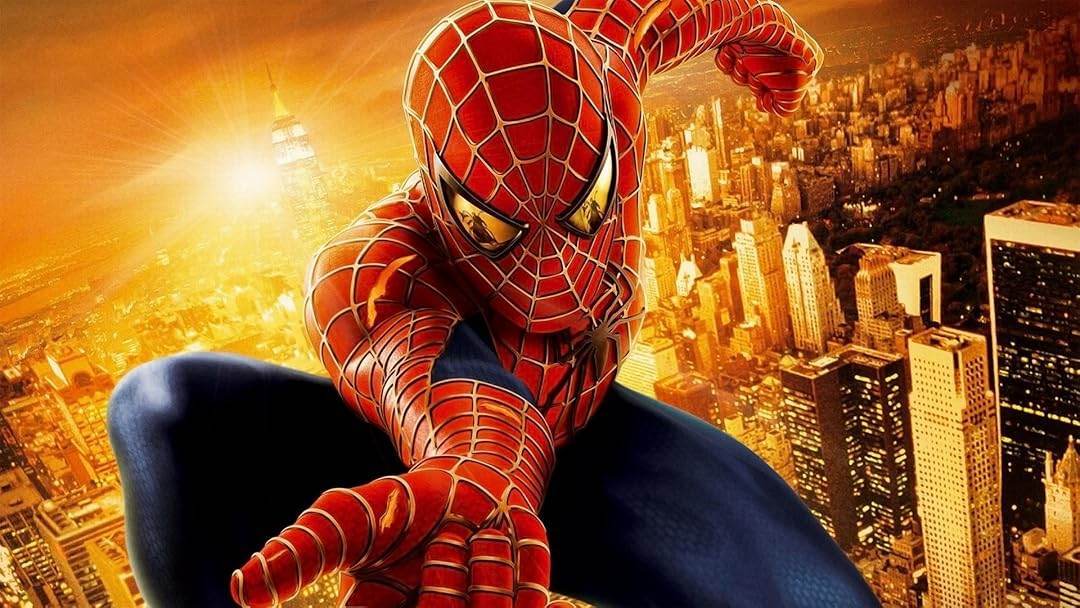
In 2002, cinema changed forever.Sam Raimi, already known for his horror films and his sense of visual rhythm, directed what many consider the first truly modern superhero adaptation on the big screen:Spider-Man. Three films later, the trilogy carried byTobey Maguirehad become a monument of pop culture. More than simple entertainment, it redefined the figure of the hero on the big screen and inspired a whole generation of viewers and film-makers.
The success of the first filmcame not only from its visual spectacle, but from its sincerity. Raimi blends drama, emotion and action in a rare alchemy. The bite scene, the discovery of the powers, Uncle Ben's death, the upside-down kiss in the rain… so many images have become cult, etched into our collective memory. It is no accident that this trilogy is still a pillar of Spider-Man's identity today. Raimi understood what Marvel had not yet put into words: the man behind the mask is more fascinating than the hero himself.
At a time when superheroes had not yet taken over our screens, Sam Raimi's trilogy opened the way. Without it, there would probably never have been anMCU Spider-Man, nor across-generational reunion in No Way Home. Tobey Maguire laid the foundations of a myth that Tom Holland and Andrew Garfield are still enriching today.
This trilogy is far more than a commercial success. It is a world of its own: stylised sets, a memorable score signedDanny Elfman, deep villains such as theGreen GoblinandDoctor Octopus, and an art direction that has lost none of its visual power. Even more than twenty years on, that look has not aged: it has become a timeless signature.
If you want to dive back into that legendary era, have a look at ourSpider-Man figuresinspired by the Tobey Maguire films, or ourSpider-Man masksfaithful to the original trilogy — perfect for nostalgic fans who want to relive the magic of the 2000s.

Characters who are human before they are heroes
What makes the trilogy bySam Raimiso unforgettable is, above all, its humanity.Peter Parkeris not a perfect superhero: he is a clumsy, shy young man, often overwhelmed by life. Raimi films the pain of a teenager trying to reconcile his dreams, his loves and his responsibilities. It is that mix of vulnerability and courage that makes Tobey Maguire a timeless Peter Parker.
In this trilogy, every character has a real emotional arc.Mary Jane Watson, played byKirsten Dunst, is no mere damsel in distress: she stands for normality, gentleness and the price of sacrifice.Harry Osborn(James Franco), for his part, embodies jealousy, betrayal and the descent into hell of a friend who becomes an enemy. Their love triangle forms the emotional heart of the saga — a running thread of broken loyalty and impossible love.

But Raimi's real genius is giving his villains a soul.Norman Osborn, alias theGreen Goblin, is not a simple psychopath: he is a father broken by ambition.Otto Octavius, aliasDoctor Octopus, becomes the tragic embodiment of the scientist corrupted by his own invention. EvenFlint Marko, theSandman, is given a deeply moving humanity, simply trying to save his sick daughter.
Every villain reflects a facet of Peter Parker: anger, guilt, loneliness. It is that constant mirror between the hero and his enemies that gives the trilogy its psychological depth. Unlike modern blockbusters, Raimi does not only try to impress — he tries to make you feel. The scene where Peter takes off his mask in the rain to save a child, and the one where Octavius chooses to sacrifice himself to atone for his mistakes, remain moments of pure emotion that go well beyond action.
That emotional dimension also runs through Peter's relationship with responsibility. Every choice has a cost: saving the city means losing a love, betraying a friend or denying who you are. A theme that points straight back toUncle Ben's famous line:'With great power comes great responsibility.'— a mantra that Raimi turns into the moral backbone of the story.
To dive back into that unique atmosphere, explore theSpider-Man fancy dress collectioninspired by the Tobey Maguire films, or discover theSpider-Man postersfeaturing the heroes and villains of this legendary trilogy.


Peter Parker
Tobey Maguire plays a clumsy, shy young man who mixes vulnerability with courage.
Mary Jane Watson
Kirsten Dunst stands for normality, gentleness and the price of sacrifice.
Harry Osborn
James Franco embodies jealousy, betrayal and the friend who becomes an enemy.
Villains with a human side
Green Goblin, Doctor Octopus and Sandman each reflect a facet of Peter Parker.
The Raimi style: heroism, horror and emotion
The signature ofSam Raimiis recognisable within seconds. His swirling camera, his dynamic shots and the way he gives rhythm to every movement make the Spider-Man trilogy a visual experience still unmatched. His background in horror with theEvil Deadsaga can be felt everywhere: sudden zooms, expressive angles, sonic tension. But here, Raimi turns fear into wonder. Where other directors would have gone for realism, he choseunapologetic stylisation.
Every shot breathes comics. The vertical framing, the reflections in the windows, the acrobatic tracking shots of Spider-Man across New York: everything evokes a comic book page come to life. It is that visual faithfulness that has carried Raimi's trilogy across the generations. Even in the digital age, the action scenes remain exceptionally fluid. You feel the gravity, the speed, the fall — a feat few modern films manage to recreate with as much sincerity.
But this style is not just technique. Raimi breathes a real emotional identity into it. WhenPeter Parkeris torn between his student life and his duty as a hero, the direction itself becomes unstable: shaking cameras, poetic slow motion, plays of light marking the passage from shadow into light. That approach makes every fight personal and every victory painful. Even the most spectacular confrontations — such as thetrain fight against Doctor Octopus— become moments of pure emotion.
Raimi never tries to glorify Spider-Man as an invincible icon. He shows him falling, hurting, doubting. And it is that fragility that makes him so profoundly human. His direction lets you feel the exhaustion behind the mask, the weight of the suit, the fear of not being good enough. A rare approach at the time, and one that still shapes modern versions of Spidey today, including those of theSpider-Verse.
To carry on that visual tribute, have a look at ourSpider-Man lampsinspired by the night-time New York of the films, or ourSpider-Man slippersto play the hero every day — comfortable, stylish and perfect for fans of Raimi's Spidey.
The Evil Dead legacy
Sudden zooms, expressive angles and sonic tension, but the fear turns into wonder.
Comic book stylisation
Vertical framing, reflections in windows and acrobatic tracking shots evoke a comic book page.
Emotional direction
Shaking cameras and poetic slow motion make every fight personal, like the one on the train.
A timeless legacy and an unbreakable nostalgia
Two decades after the first film came out, the trilogy bySam Raimistill fascinates. In a cinematic landscape saturated with superheroes, it keeps a rare authenticity. Where modern productions lean on shared universes and an excess of digital effects, Raimi's films rested on one simple thing: theheart. That sincerity explains why so many viewers remain attached toSpider-Manas played byTobey Maguire.
Thefinal scene ofSpider-Man 2, where Peter takes the mask back up despite everything, and the one inSpider-Man 3, where he forgives Flint Marko, capture that humanity perfectly. Even its clumsy moments and its excesses have become cult favourites today, quoted with affection on social media and across popular culture. The look, the music, the tone: everything in this trilogy feels timeless, as if frozen in a golden age of superhero cinema.

And its influence does not stop there.The success ofSpider-Manin 2002opened the way for sagas such as Batman Begins,Iron ManandThe Dark Knight. Without Raimi, the modern superhero age might never have reached such a scale. His style left its mark on the generations that followed — and the nods in Spider-Man: No Way Home are proof that his fingerprints are still all over the web-slinger's mythology.
That return of Tobey Maguire revived the nostalgia of fans, a reminder of just how much these films shaped our collective imagination. Even today, plenty ofmerchandiseand reissues pay tribute to this iconic trilogy: rediscover ourSpider-Man figure collectioninspired by Raimi's films, along with ourSpider-Man T-shirtsmade for the fans who were there from the start.
Sam Raimi's trilogy is more than a memory: it is a founding work. It proved that a superhero film could bemoving, tragic and poeticall at once. In a world where franchises follow one another at a frantic pace, this Spider-Man still embodies the one thing nobody has managed to surpass: the soul of an ordinary hero.
Heart first
Where modern productions bet on digital effects, Raimi bet on sincerity.
Cult scenes
Peter takes the mask back up in Spider-Man 2 and forgives Flint Marko in Spider-Man 3.
A lasting influence
The 2002 success opened the way for Batman Begins, Iron Man and The Dark Knight.
Tobey Maguire's return
The nods in No Way Home revived fans' nostalgia.

