

14-Day Money-Back Guarantee
0
The short answer
This seven-issue arc by J.M. DeMatteis and Sal Buscema trades spectacular fight scenes for a descent into trauma: Harry Osborn slides into paranoia, Vermin relives the abuse he suffered as a child, and Peter revisits his own grief. A fragmented, almost dreamlike story, unpacked below.
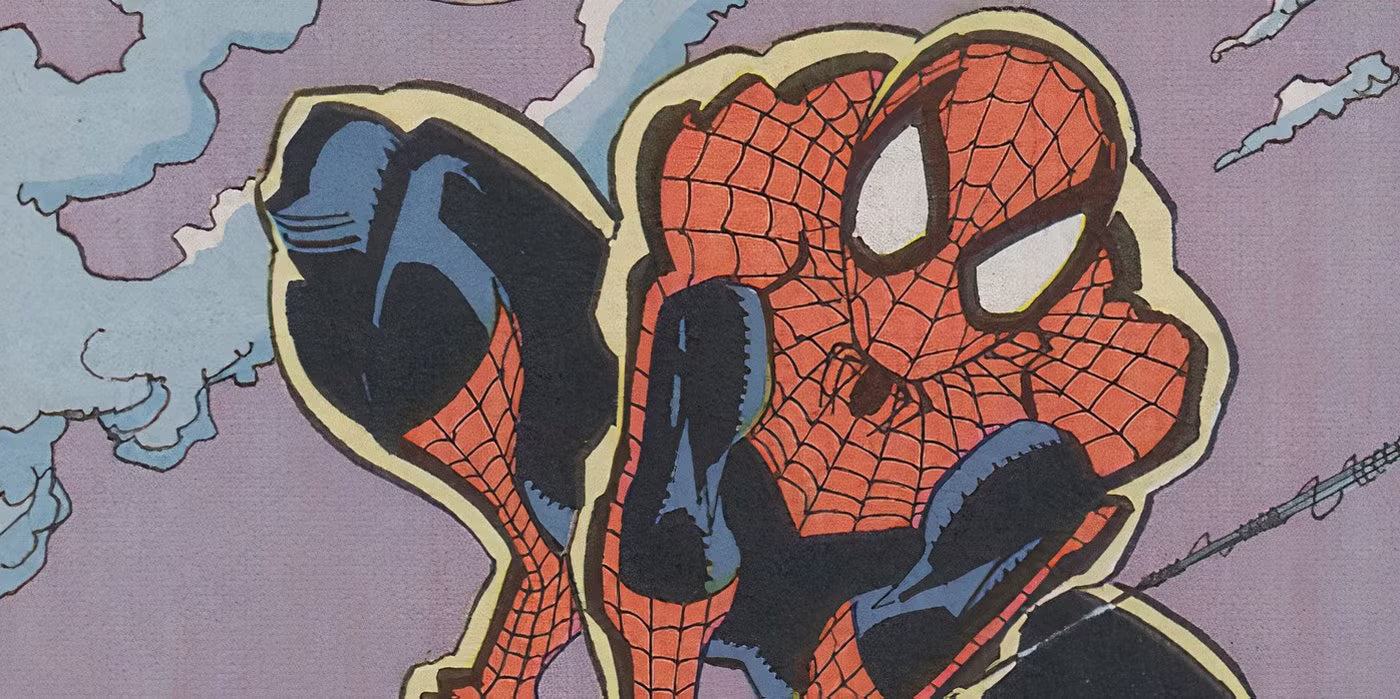
Published between 1991 and 1992 in the pages of Spectacular Spider-Man #178 to #184, the 'The Child Within' saga is one of the darkest and most psychologically intense arcs in the whole of Spider-Man history. Written by J.M. DeMatteis and drawn by Sal Buscema, this story plunges Peter Parker into a spiral of doubt, trauma and intimate confrontations - far beyond a simple showdown with a super-villain.
The plot rests on the return of two iconic figures: the Green Goblin (Harry Osborn), on the brink of madness, and the terrifying Vermin, the physical embodiment of suffering, rejection and abuse. But beyond the fights, what resurfaces are Peter's own childhood wounds, a macabre mirror of those of his enemies.
🧠 A story of introspection and buried pain
In The Child Within, Spider-Man does not only fight physical threats, but fears rooted deep in his subconscious. Harry Osborn's mental fragility reaches breaking point while Vermin, haunted by memories of abuse, becomes the monstrous reflection of the childhood wounds we all try to bury. It is in that tension that Peter Parker is himself forced to revisit his own buried traumas, not least the loss of his parents.
- Peter sees his memories as an orphaned child again, raised by May and Ben.
- He feels guilty for being powerless in the face of Harry's and Vermin's pain.
- He questions his role as a hero and his ability to help the people he loves.
🕷️ Psychological horror under constant tension
It is no accident that J.M. DeMatteis also wrote the excellent Kraven's Last Hunt. In The Child Within, he carries on exploring a deeply human, tormented vision of superheroes. The line between heroes and monsters blurs as each of them faces his own demons. Nightmare sequences, hallucinations and mental confrontations dominate the story, creating an anxious atmosphere that stands in stark contrast to Spider-Man's more conventional adventures.
The artwork of Sal Buscema, all thick shadows and tortured faces, lifts that stifling mood higher still. He gives shape to pain, shame and fear... in every single panel.
This story is no mere footnote: it is a foundational milestone in the psychology of Peter Parker, on a par with the death of Gwen Stacy or Norman Osborn's betrayals.
Harry Osborn: the descent into hell of the Green Goblin's son
In this heartbreaking arc, Harry Osborn slowly loses his grip. Consumed by the pressure of the Osborn name, by guilt and by the cursed legacy of the Green Goblin, he swings between the fragile man and the monster his father wanted him to become. This is no longer a simple duel between superhero and super-villain, but an intimate confrontation between two childhood friends broken by the weight of their families.

Peter tries to reach out to him, but Harry tips into violent paranoia, going as far as threatening Mary Jane and their son Norman Jr. The Osborn mansion becomes an oppressive theatre of distorted memories, a genuine mental labyrinth where madness waits around every corner.

Harry's self-destructive spiral recalls other unstable figures in this universe, such as the Vulture or the Chameleon, who likewise swing between loneliness, revenge and psychological suffering.
Vermin: a broken childhood turned into a monster
Facing Harry stands another reflection of a child's suffering: Vermin. This character, often pushed into the background, takes on a terrifying dimension here. Once a guinea pig of the infamous Doctor Octopus and then of Doctor Doom, he became a half-man, half-rat creature, prey to uncontrollable panic attacks. But it is not the monster that frightens you most... it is the broken man behind it.
Spider-Man discovers that Vermin was abused as a child, and that this is what shaped his monstrosity. The fight then turns tragic: Peter is not facing a criminal, but a victim with no way out. His empathy is palpable, and this is where DeMatteis's writing reaches the sublime.
That kind of moral dilemma, caught between compassion and the need to act, is not unlike his complicated relationship with Morbius, another tragic figure of the Marvel universe, or indeed Sandman.
🧩 A fragmented, introspective narrative
What makes The Child Within so striking is the way it is put together. Flashbacks blend into the present. The characters' inner thoughts take up as much room as the dialogue. The borders between dream, memory, hallucination and reality dissolve, drawing you into an unsettling, almost hypnotic read.

For fans of more mature stories, in the vein of Spider-Man Noir.
When Spider-Man doubts himself: Peter's childhood wounds
The The Child Within arc does not stop at exposing the suffering of Harry or Vermin: it also dives into the heart of Peter Parker's trauma. Ever since the tragic loss of Aunt May and the eternal guilt tied to Uncle Ben's death, Peter has lived with an invisible burden. In this arc, his nightmares come flooding back.
Writer J.M. DeMatteis explores that psychological wound with rare delicacy. Peter sees himself as a child, crying alone, misunderstood, hiding behind humour. The introspection is heightened by Sal Buscema's dark, symbolic artwork, where spider webs become mental nets that trap Peter inside his own memories.
It is worth noting that this kind of introspective storytelling would return later in books such as Spider-Man: Reign, where an old, weary Peter faces his regrets. But in The Child Within, he is still young... and yet already broken inside.
The monster within: Peter and Vermin, two lost souls?
The face-off between Spider-Man and Vermin is less a battle than a distorted mirror. Vermin embodies what Peter could have become had he given in to rage, isolation and hatred. The parallel is chilling: two children wronged by an unfair world, two beings cast aside and reshaped by suffering.
- Peter chose responsibility and justice.
- Vermin sank into animal instinct and fear.
That kind of contrast also echoes his relationship with Miles Morales, another young hero who could have been crushed by pain. But Miles, like Peter, finds his way thanks to the support of strong figures, where Vermin found nothing but rejection.
The fear of becoming a monster
A central theme of the arc is the fear of transformation. Peter has always dreaded that the spider's power might turn him into a beast in his turn. Looking at Vermin, he glimpses that fear made flesh. What if the Spider-Verse were not only a web of universes, but also a web of personal fears?
That idea is developed in several modern works such as Across the Spider-Verse, where every variant of the web-slinger reflects a different trauma. By that logic, Vermin is the Spider-Man who lost the battle within.
An underrated foundational story in Spider-Man history
The The Child Within arc is often overshadowed by better-known stories such as Kraven's Last Hunt or Back in Black. And yet its psychological impact is immense. By confronting Peter with his childhood, his flaws and his own darkness, it offers a profoundly human portrait of the superhero. It reminds you that behind the mask there is always a broken man fighting to stay upright. To explore the web-slinger's other story arcs, you can visit our full page on the subject.

A legacy that echoes across the whole Spider-Verse
Today, rereading The Child Within, you understand far better how much Spider-Man is a hero shaped by pain, but also by his refusal to surrender to it. This arc, forgotten by the wider public, is an essential piece for grasping Peter Parker's identity.
It sits naturally among the stories we would tell you to (re)discover if you want to explore the depths of the web-slinger's soul, alongside powerful books such as Life Story.
If you love psychological stories, have a look at our articles on Venom or on Morlun, two enemies who also reveal darker sides of Peter Parker.
And for fans of iconic or collectible comics, don't miss our collection devoted to Spider-Man figurines, or our fleece blankets that pay tribute to all these cult stories. If you'd like more Spider-Man product ideas, take a look at our merchandise guide.

