
14-Day Money-Back Guarantee
0
The short answer
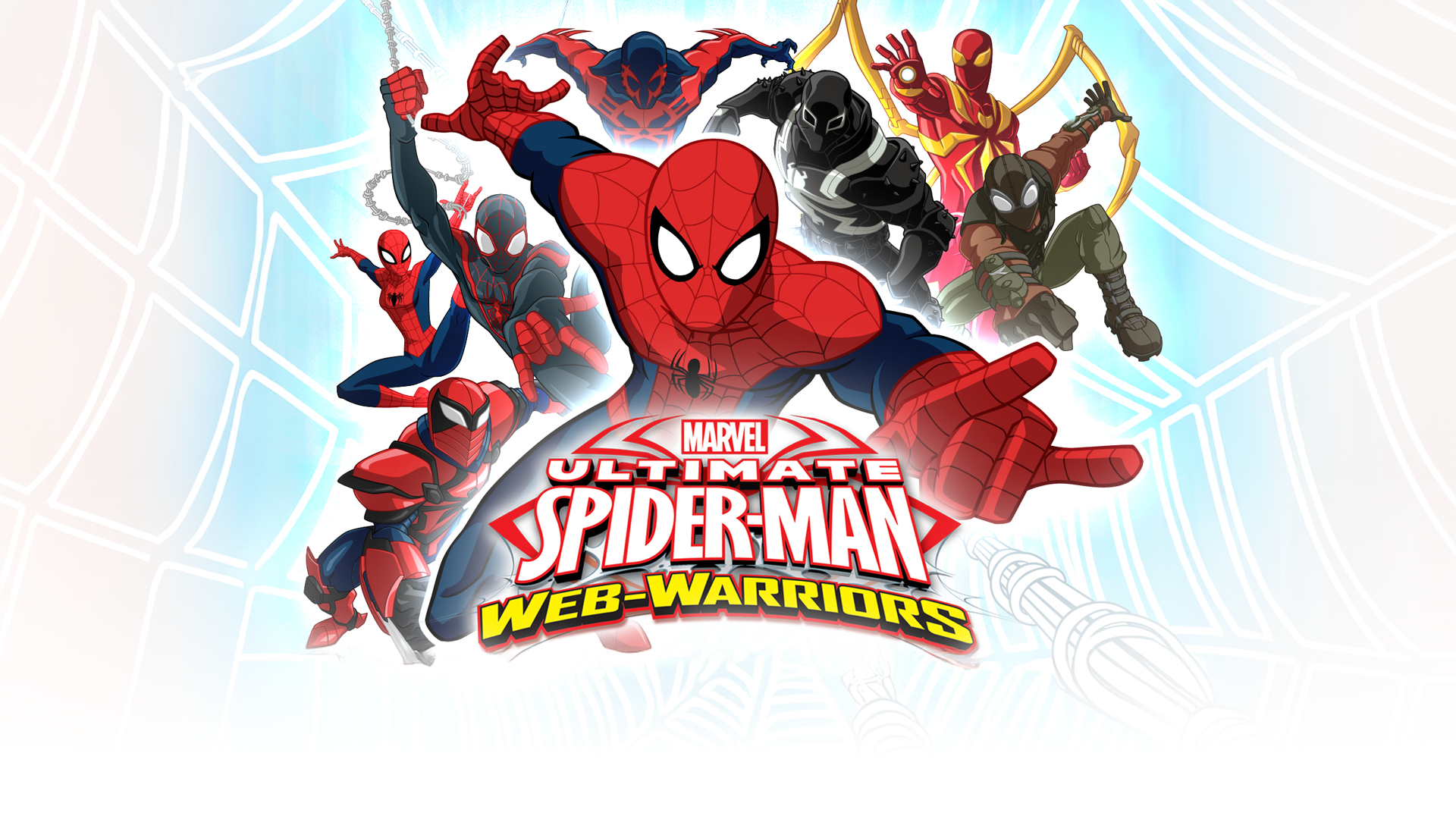
The Web Warriors are a squad of web-slingers drawn from separate universes, born out of the Spider-Verse crossover written by Dan Slott in 2014 to push back the Inheritors. Led by Spider-UK from the Web of Life and Destiny, Spider-Gwen, Spider-Ham, Spider-Man Noir and Mayday Parker patrol the Earths left without a web-slinger: the Peter Parker of Earth-616 himself stays on his own world. Origins, members and legacy are detailed below.
When people talk about iconic Marvel teams, the mind races straight to the Avengers, the X-Men, the Fantastic Four. Yet in the shadow of those media giants sits a team born directly out of the Spider-Man multiverse, and it thoroughly deserves its place in the pantheon of great super-hero line-ups: the Web Warriors. This team, made up of a dozen or so Spider-Heroes from parallel realities, redefined what a Marvel team could be — no longer a group of different people united by a common goal, but dozens of versions of the same character united by a shared essence. All web-slingers. All bearers of the spider-totem. All ready to die to defend their multiverse.
This article digs deep into the story of the Web Warriors — how they were formed, who their iconic members are, which cataclysmic enemy forced them to join forces, and why their legacy still echoes across the wholewider Spider-Man universe. Be careful not to confuse the Web Warriors with the Spider-Society of Miguel O'Hara that appears in Across the Spider-Verse — these are two separate teams, with different origins, different philosophies and different narrative eras. Here is the full story of the most iconic web-slinger line-up in modern comics.
The Origin of the Web Warriors: Born at the Heart of Spider-Verse
To understand the Web Warriors, you have to go back to 2014 and the publication of the Spider-Verse arc by Dan Slott — a monumental crossover event that brought dozens of different versions of Spider-Man together in a single storyline for the first time. What began as a simple editorial curiosity (gathering every Spider-Man in the multiverse) quickly became one of Marvel's most important arcs of the 2010s — and it was from that arc that the team destined to become the Web Warriors emerged.
The founding idea is simple but brilliant: if every parallel universe has its own Spider-Hero (Peter Parker in one dimension, Miles Morales in another, Gwen Stacy in a third, and so on), why not bring them together as a permanent team able to defend the entire multiverse? Formed at the end of the Spider-Verse arc to face dimensional threats that a lone Spider-Hero could no longer handle, this team takes the name Web Warriors and becomes the inter-dimensional strike force of every web-slinger in the Marvel multiverse. Their headquarters? The Web of Life and Destiny, the mystical structure that links every reality where a Spider-Totem exists.
This collective line-up fundamentally changes Marvel's relationship with the hero. Before the Web Warriors, Spider-Man was essentially a solo hero from Manhattan. After the Web Warriors, the very concept of 'Spider-Man' becomes plural, multi-dimensional and structurally co-operative. It is this philosophy that directly inspired the films Into the Spider-Verse (2018) and Across the Spider-Verse (2023), even though those films chose to use the Spider-Society mythology rather than the Web Warriors of the comics directly.
The Iconic Members: A Gallery of Multidimensional Web-Slingers
The identity of the Web Warriors rests above all on the fascinating diversity of its members. At the heart of the team you find, of course, the classic Peter Parker of Earth-616 — the canonical version that serves as the narrative benchmark. But it is all the other members who make this team so singular. Spider-Gwen, alias Gwen Stacy of Earth-65, brings her urban fire and a punk-rock look that contrasts sharply with Peter's restraint. Peni Parker, the young pilot of a spider-mecha robot, adds a completely unexpected Japanese anime dimension to the team.
Spider-Man Noir, a 1930s version out of a black-and-white universe inspired by film noir, brings a touch of dramatic gravity with his trench coat and his revolver — radically different from the traditional Spider-Man. Spider-Ham, alias Peter Porker, the spider-pig, brings the absurd cartoon dimension that stops the team from ever taking itself too seriously. Spider-Punk, alias Hobie Brown, brings his anti-establishment rage and his British punk aesthetic. Spider-Man UK, alias Billy Braddock, brings his strategic mind and his knowledge of the multiverse.
Other members join the team across later arcs: Spider-Man 2099 (Miguel O'Hara), a more complex figure who would later form his own Spider-Society, Silk (Cindy Moon), and even Karn, the renegade Inheritor who ended up switching sides to join the Spider-Heroes he was originally hunting. That diversity of profiles, ages, visual styles and narrative tones makes the Web Warriors the most visually rich Marvel team ever created — a genuine mosaic in which every member brings a different colour, a different era and a different sensibility to the whole.
Iconic Member — Spider-Verse

Spider-Man Miles Morales Mug
€24.90
The Spider-Man of Brooklyn, a key member of the Web Warriors — to celebrate the multiverse web-slinger who captivated a whole generation.
Discover the Miles Mug →The Inheritors: The Enemy That Forced the Web-Slingers to Unite
No team forms without an existential threat, and the Web Warriors are no exception to that rule. Their original enemy, the one that forced dozens of Spider-Heroes to abandon their local wars and unite, is the Inheritors — a family of cosmic predators who feed on the life energy of Spider-Totems right across the multiverse. Led by Morlun, the eldest brother, and their father Solus, the Inheritors are not mere supervillains — they are quasi-mystical entities that hunt Spider-Heroes like divine prey.


Each member of the Inheritor family brings its own distinct threat. Daemos embodies brute force, able to kill a Spider-Hero with his bare hands. Verna is the sadistic huntress who takes pleasure in torturing her victims before finishing them off. Jennix brings the scientific intelligence that lets the Inheritors track their prey across dimensions. Bora is the silent predator who smothers her victims without a sound. Against such a coordinated threat, no lone Spider-Hero stood the slightest chance of surviving.
It is this fundamental imbalance between the Inheritors and isolated Spider-Heroes that forced the union. When Morlun and his family began methodically slaughtering every Spider-Totem in the multiverse, dimension after dimension, the survivors grasped one simple truth: together or dead. Forming the Web Warriors then becomes an act of pure existential necessity. And it is the epic of their resistance against the Inheritors that makes up the narrative heart of the whole Spider-Verse arc — a cosmic battle in which every web-slinger brings their powers, their experience and their own particular creativity to push back seemingly invincible predators.
Web Warriors vs Spider-Society: Two Teams, Two Philosophies
Plenty of fans mix up the Web Warriors (the 2014 comics team) and the Spider-Society (the Across the Spider-Verse team of 2023), but these are two separate line-ups with opposing philosophies. The Web Warriors are a horizontal team — a collective of peers where every member is the equal of the others, where decisions are taken together and authority is shared. Nobody gives orders to the Web Warriors. Everyone has a say, from the classic Spider-Man to Spider-Ham the spider-pig. It is this radical flatness that gives the team its narrative singularity and allows moments of great brotherly warmth between characters from sometimes radically different dimensions.
The Spider-Society, by contrast, is a vertical organisation — a genuine military structure run by Miguel O'Hara with a strict hierarchy, inviolable rules (the famous 'canon') and a clear mission that overrides individual feelings. Where the Web Warriors would have saved Miles Morales without hesitating in Across the Spider-Verse, Miguel's Spider-Society chooses to respect the canon at the cost of Miles's father's life. That philosophical difference is central to understanding that the two teams, despite their apparent similarities, tell fundamentally different stories about what a collective of heroes should be.
This distinction also matters for fans who want to understand the narrative chronology of the Marvel multiverse. The Web Warriors come first (2014) and partly inspire the animated films, but the Spider-Society becomes the dominant concept from 2023 onwards with Across the Spider-Verse. The two teams coexist in the fiction (Miguel O'Hara belonged to the Web Warriors before founding the Spider-Society) but represent two different moments in the evolution of the Spider-Man multiverse. For fans who want to go deeper into this mythology, reading Dan Slott's Spider-Verse arc remains the best way in — that is where it all truly begins.

Multiverse Edition — Spider-Verse Look

Spider-Man Spiderverse Phone Case
€29.90
The multiverse look as an everyday accessory — for fans who have embraced every version of the web-slinger, from the Web Warriors to the Spider-Society.
Get the Spiderverse Case →Screen Adaptations: The Influence on the Cinematic Spider-Verse
The Web Warriors have never been adapted to the screen directly under their comics name, but their influence on the animated Spider-Verse films is everywhere. Into the Spider-Verse explicitly takes up the central concept — gathering several versions of the web-slinger into a temporary team to fight a cosmic threat — even if the film's team does not use exactly the same members as the comics. Miles Morales, Peter B. Parker, Spider-Gwen, Peni Parker, Spider-Man Noir and Spider-Ham form, in the film, a simplified variant of the comics Web Warriors, perfectly suited to a two-hour feature.
The animated film also popularised the very concept of Spider-Verse with the general public, turning what was a fairly niche comics arc into a worldwide cultural phenomenon. Without that cinematic popularisation, the Web Warriors would probably have remained a comics curiosity known only to hardcore fans. Today, tens of millions of viewers know at least part of the founding idea — a multiverse of web-slingers uniting to survive — without necessarily knowing that it was in the Web Warriors comics that the idea really took shape.

For fans who want to explore the original mythology rather than the film adaptations, reading Dan Slott's Spider-Verse arc (2014) and then the sequels Spider-Geddon (2018) and End of the Spider-Verse (2022) is the canonical route. Those three arcs tell the complete epic of the Web Warriors, from their formation to their last great battles in the Marvel multiverse.
The Narrative Legacy: Why the Web Warriors Changed Everything
Beyond their direct impact, the Web Warriors fundamentally transformed the way Marvel tells Spider-Man stories. Before 2014, Spider-Man was essentially a solo character tied to a single universe (Earth-616 for the canonical comics version). After the Web Warriors, the very concept of Spider-Man becomes plural and trans-dimensional. Every new appearance of the web-slinger can now be read as one variant among many, every arc can potentially summon dozens of parallel versions, and every death of a Spider-Hero leaves open the possibility that another version rejoins the main timeline.
This narrative revolution also influenced other Marvel franchises. The Avengers: Endgame, Loki and Doctor Strange in the Multiverse of Madness storylines would probably never have existed in their present form without the narrative precedent set by the Web Warriors. The very idea that the multiverse could be a main narrative playground rather than a simple editorial curiosity owes a great deal to the Spider-Verse arc and to the forming of the Web Warriors. Fans who follow the evolution of the Spider-Man multiverse over the long term recognise that lineage straight away.
The other great legacy of the Web Warriors is democratising the idea that anyone can be Spider-Man. Before Spider-Verse, the red and blue suit belonged essentially to Peter Parker. After Spider-Verse, the web-slinger can be an Afro-Latino teenager from Brooklyn, a young woman in a parallel dimension, a cartoon spider-pig, a 1930s detective, a Japanese mecha pilot. That fundamental diversity let Marvel reach audiences who did not necessarily identify with the classic Peter Parker — and turned Spider-Man from one particular hero into a concept anyone can claim. It is probably the biggest cultural revolution the web-slinger has known since his creation in 1962.
Collector's Piece — Every Web-Slinger

LEGO Spider-Man Figure

€59.90
The articulated web-slinger that celebrates every Spider-Hero in the multiverse — the ideal collector's piece to pay tribute to the Web Warriors and their legacy.
Discover the Figure →How to Live the Web Warriors Universe Every Day
For fans who want to carry their Web Warriors passion beyond reading, the merchandise side offers dozens of aesthetically coherent options. Every iconic member of the team has generated its own product range — Miles Morales figures, Spider-Gwen posters, Spider-Verse mugs, iPhone cases in the colours of each version. Building a complete Web Warriors collection takes a few years of patient accumulation, but the result — a shelf where every version of the web-slinger sits side by side — is one of the finest tributes you can pay to this singular team.
If you are just beginning your exploration of the Spider-Man multiverse, several doors are open to you. If you prefer emotional drama, dive into the Miles Morales and Spider-Gwen arcs, the most narratively accessible members. If you are after the epic dimension, go straight to the original 2014 Spider-Verse arc, which lays all the foundations. If you prefer absurd humour, Spider-Ham and Spider-Punk offer lighter angles that let you come at the multiverse through entertainment rather than cosmic philosophy.
Whatever your way in, the Web Warriors universe amply rewards the time you put into it. It is probably the richest mythology ever built around Spider-Man, the one that turned a local Manhattan hero into a universal mythic figure. Explore the Spider-Man figures collection to immortalise your favourite members, dive into the Spider-Man Spider-Verse phone cases that pay tribute to the multiverse look, or treat yourself to the LEGO Spider-Man sets that rebuild the legendary scenes of the Spider-Verse arc in bricks. The Web Warriors deserve their place in any serious Spider-Man collection — they are probably the team that did most to turn Spider-Man into a cosmic mythology rather than a simple local super-hero.

