
14-Day Money-Back Guarantee
0
The short answer
Three engines explain this commercial dominance: identification with a fallible hero who has no fortune, constant exposure through cartoons, cinema and video games, and endlessly reworkable suits that keep relaunching entire ranges of merchandise. We break down each lever below.
The birth of a popular myth: why Spider-Man conquered the world
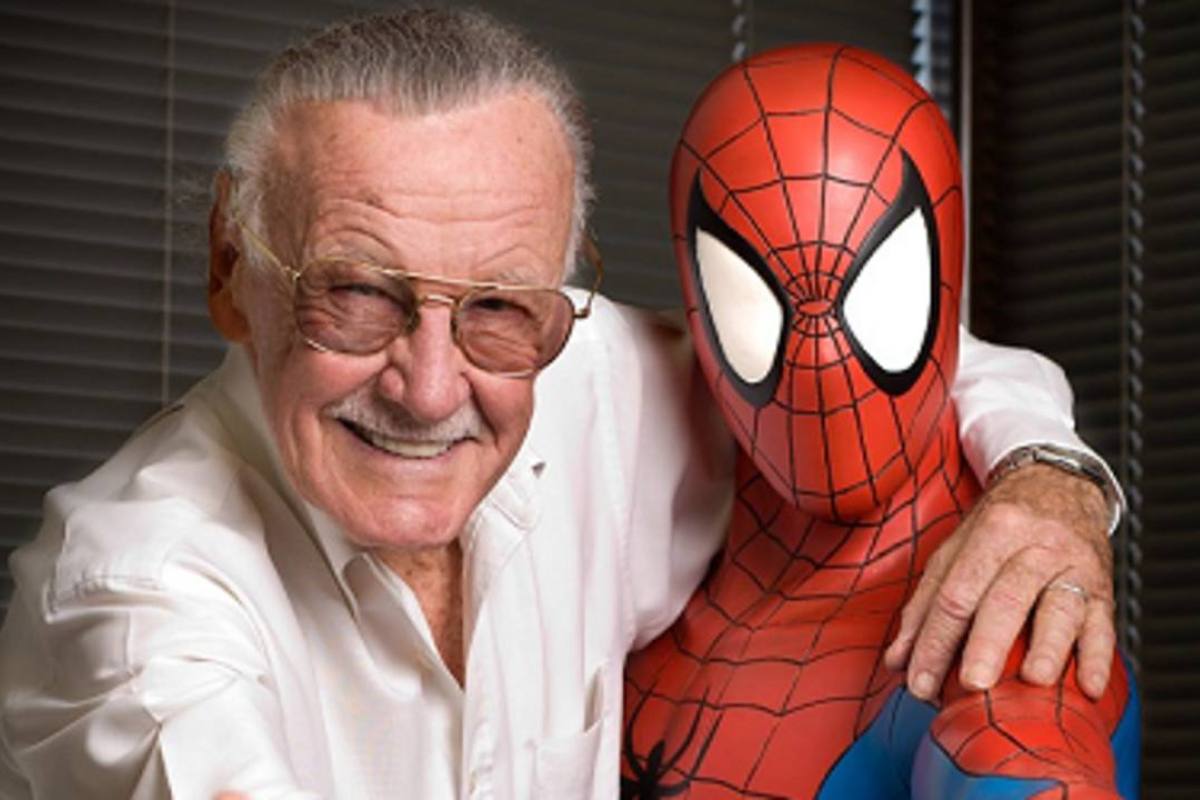
Before it became a colossal merchandising machine, Spider-Man was an idea. A simple idea, almost a daring one for its era: an ordinary teenager can become an extraordinary hero. When Stan Lee and Steve Ditko unveiled the character in Amazing Fantasy #15, they were not merely adding one more superhero. They gave birth to a universal projection: a hero who is vulnerable, clumsy, broke, anxious, but profoundly human.


It is that humanity, that almost brutal realism, that would make the web-slinger the best-selling licence in the world. Where dazzling, invincible heroes fascinated from a distance, Peter Parker invited readers to recognise themselves in him. He was no billionaire like Iron Man, no god like Thor. He was a secondary school pupil from Queens who had to make every dollar count, juggling his responsibilities and his private life - a theme explored in articles such as Why Peter struggles to balance his private life and his life as a superhero.
That contrast between the humdrum everyday and colossal stakes struck a chord with the public straight away. Within a few years, Spider-Man became the most widely read comic book hero in the United States. This emotional closeness created a deep attachment, an instinctive loyalty: you don't follow Spider-Man, you grow up with him.
When Marvel realised that this unique bond with readers was an explosive commercial driver, the merchandising machine began to take shape. Posters, toys, clothes, school supplies: anything could become Spider-Man because everyone wanted a piece of the character. One of the strengths of this licence, even today, is the infinite variety of its designs - from the classic red and blue suit to those explored in the Spider-Verse, each one making it possible to create a different product range.

This first wave of merchandise marked a turning point: Spider-Man was no longer just a hero, he became a symbol. And when the first toys, figures and posters sold like hot cakes, Marvel understood that the character held a potential that **even the X-Men and the Avengers had not yet reached**.
Even today, the web-slinger's popularity in merchandising outstrips almost every other hero. From iconic Spider-Man figures to the Spider-Man clothing worn by children and adults alike, every generation carries on buying, giving and displaying the spider symbol.
In this first part, we dive into the emotional and social roots of the myth to understand how Spider-Man went from a simple comic book hero to a worldwide cultural phenomenon - a phenomenon that today dominates cinema, toys, clothing, video games and every corner of pop culture.
From merchandise to record sales: the rise of a global machine
When Spider-Man began to assert himself in the 1970s and 1980s, Marvel realised something crucial: no other hero sells as well on everyday objects. Where Hulk is too intimidating, Captain America too closely tied to a certain patriotism, and Iron Man still short of recognition, Spider-Man appeals to everyone - children, teenagers, adults, across every social class.
The character naturally became the ideal mascot to represent Marvel in the toy aisles, in school supplies and in children's fashion. The first waves of products literally exploded: bags, Spider-Man slippers, plastic figures, posters, then hundreds of everyday items. The success was so massive that it spilled well beyond American borders. In Europe, in Asia, in South America, Spider-Man became the international hero par excellence.

This phenomenon intensified with the arrival of the animated series. The legendary 1994 series shook up the industry: it turned Spider-Man into a cross-generational icon. Children discovered Peter Parker every morning, and that constant exposure created enormous loyalty. That is when sales exploded, particularly in segments such as Spider-Man toys or decorative lamps for children's bedrooms.
But the most impressive acceleration came with cinema. Sam Raimi's trilogy did more than clean up at the box office: it set a precedent for modern merchandising. Never had a superhero generated so many simultaneous sales of costumes, Spider-Man masks, articulated figures, posters or school supplies. The success of Spider-Man 2 and 3 literally propelled the licence to the rank of a global brand.

The dominance then continued with the MCU, Tom Holland's version, the video game Marvel's Spider-Man, and above all the animated films Into the Spider-Verse and Across the Spider-Verse, which opened the way to new merchandising variants thanks to the many alternative versions of the hero - a dimension our article on the Spider-Verse explores in depth.
What sets Spider-Man apart from other licences is his adaptability. Every generation has 'its' Spider-Man, 'its' suit, 'its' universe. And every variant creates a new wave of merchandise. A perfect mechanism that makes Spider-Man the most profitable pop franchise in history, outstripping even Star Wars or Batman in the sheer volume of items sold.
In the next part, we will analyse the marketing and emotional structure that lets this franchise expand endlessly - and how that success shows up today in the incredible variety of modern collections: from premium figures to adult clothing, by way of decorations and Spider-Verse products.

An irresistible visual identity: the marketing secret behind a colossal success
One of the main reasons for Spider-Man's global triumph lies in the simplicity and impact of his visual identity. Few characters have a design as instantly recognisable as that red mask with its big white eyes - a symbol that has become as iconic as the Batman logo or Captain America's shield. This visual clarity is an unbeatable marketing argument: on a bag, a toy, a garment or a Spider-Man duvet cover, you know instantly who it is.
$
Further reading
Before the billions: when Marvel owed its survival to a single character
Bankruptcy in 1996, the film rights sold in 1999, then a rebirth through the MCU: trace the commercial journey of the company that staked its whole existence on the web-slinger.
Discover the history of Marvel →The three colours of the classic suit - red, blue, black - are also psychologically perfect for catching the eye on products aimed at children: high-contrast, dynamic, associated with energy and speed. It is no accident that Marvel's best global sellers have historically been tied to Spider-Man: he combines a powerful aesthetic with an emotion that travels easily.
The licence's other incredible asset lies in the multitude of suits that exist across the comics, the games and the films. Each version represents a new commercial possibility: the black suit from the Symbiote Saga, the high-tech Iron Spider outfits, the futuristic 2099 designs, or the artistic variations of the Spider-Verse - analysed in our article on Spider-Man 2099. Every suit equals a new product range, whether that means T-shirts, jumpers, clothing or even fancy dress costumes.

This evolving visual potential lets Marvel relaunch the franchise continuously. A new film? New products. A new video game? New designs. A new Spider-Man in the multiverse? A complete new merchandising line. This perpetual momentum is one of the keys to the phenomenal success analysed in our article Spider-Man toy sales records through the decades.
Finally, Spider-Man enjoys another decisive advantage: he is multigenerational. What took Batman or Star Wars decades to establish, Spider-Man achieved very quickly: every generation has its animated series, its flagship film, its video game, its favourite Spider-Man. A child of 5, a teenager of 15 and an adult of 40 can all buy Spider-Man - but never for the same reasons. To go further on this subject, see also Interactive and high-tech Spider-Man toys: the 2026 guide to connected toys.
This universality feeds directly into our most powerful transactional categories: Spider-Man clothing, toys, gifts, and lamps that brighten up children's bedrooms. The character's design works everywhere, without ever losing its identity.
In the next part, we will see how this visual, narrative and emotional power turned into an unrivalled commercial empire - and why Spider-Man remains, year after year, the best-selling pop licence in the world, ahead of all the rest.
Absolute reign: why Spider-Man became the best-selling pop licence in history
Today, Spider-Man is not just a hero. He is a global industry. And that dominance comes down to a phenomenon that is unique in the history of licences: Spider-Man sells in every possible category. No other franchise - not Star Wars, not Harry Potter, not Pokemon, not Batman - has product coverage this broad, this natural, this cross-generational.
In the consolidated financial reports of Marvel and Disney, Spider-Man appears consistently as the brand generating the most annual revenue. That success rests on an often overlooked detail: Spider-Man is a hero who adapts perfectly to everyday objects. Unlike other superheroes whose aesthetic is too dark, too adult, too masculine or too complex, Spider-Man can speak to absolutely everyone.
On top of that comes a strength regularly analysed in our pillar pages: the Spider-Verse. By multiplying versions of the hero - Miles Morales, Spider-Gwen, Spider-Man Noir, Peni Parker, Miguel O'Hara - Marvel created an ecosystem in which each variant generates its own merchandising. This is no longer a single licence: it is a constellation of licences.


Video games also play their part in this dominance. Marvel's Spider-Man, released on PS4 and then PS5, broke sales records. The game's alternative skins and suits themselves generated sales of physical products, proving once again the power of the symbol. And with the critical successes of Into the Spider-Verse and Across the Spider-Verse, the licence reached a new audience: the one that loves premium animation, modern aesthetics and multiverse storytelling.
This abundance of formats, styles, designs and stories gives Spider-Man something few licences possess: infinite commercial elasticity.
Finally, there is the emotional side: Spider-Man is the hero who embodies responsibility, morality, grief and resilience. Universal themes, understood in every culture. And it is precisely that universality that turns a comic book symbol into the number 1 pop licence in the world.
Today, Spider-Man is not just a character who breaks records: he is a cultural brand so deeply rooted that it is passed on, literally, from generation to generation. And as long as there are children to dream, adults to remember, and artists to reinvent the myth, Spider-Man will remain the best-selling and best-loved licence on the planet.

