

14-Day Money-Back Guarantee
0
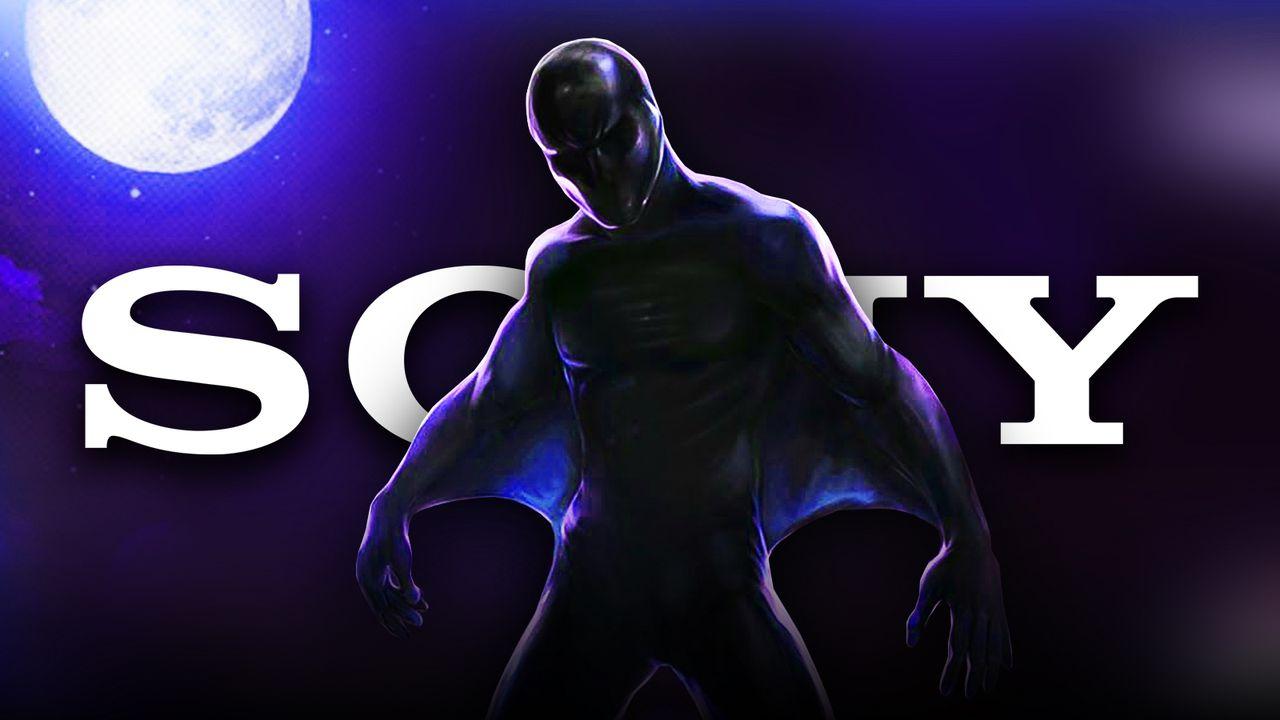
The short answer
Dusk is one of the four identities Peter Parker took on during Identity Crisis, alongside Ricochet, Hornet and Prodigy. The suit comes from a hero of the Negative Zone: it absorbs light, allows a brief glide and instils fear. Origins, psychological weight and legacy below.
Over the course of his career, Peter Parker has worn plenty of costumes and aliases to shake off his enemies or infiltrate certain criminal circles. Among them, one of the most enigmatic remains Dusk. This black suit, with its silvery sheen, embodies a darker, more invisible side of Spider-Man, a world away from the traditional red and blue that stand for hope.
First introduced in the storyline Identity Crisis, Dusk is far more than a simple disguise. He represents a genuine survival strategy for Peter, at a moment when Spider-Man is accused of crimes he did not commit. Forced to abandon his classic identity, he becomes Dusk to carry on protecting New York from the shadows.
The role gives Peter a unique opportunity: to act as a ghost hero, moving about without the press or even the Daily Bugle being able to identify him. Dusk's story is therefore intimately tied to the recurring themes of Peter Parker: identity, duality and the burden of responsibility.
For fans who love Spidey's alternative outfits, our Spider-Man costumes and Spider-Man masks let you recreate that dark, intriguing aura in your own collection.
The origins of the Dusk suit: an identity stolen from the dead
The Dusk suit is not an invention of Peter Parker's, but an identity that already existed in the Marvel universe. Before him, Dusk was a hero from another dimension, an enigmatic being belonging to the Negative Zone. After the original Dusk's death, the costume is recovered by Spider-Man, who sees in it an unhoped-for chance to operate in total anonymity.
During the Identity Crisis arc, Peter Parker is wrongly accused of murder. On the run, without allies and hunted by the police, he decides to take on several new identities so he can keep acting without compromising his name. He becomes, in turn, Ricochet, Hornet, Prodigy and of course Dusk. This last role lets him operate from the darkness, a concept completely at odds with his image as a bright, talkative hero.
The suit itself is fascinating: a full black outfit, with no symbols and no webbing, made from a special fabric that seems to absorb light. It lets Spider-Man move almost invisibly, glide briefly and create an atmosphere of fear in his opponents.
By becoming Dusk, Peter Parker explores a more strategic, calculating side of his personality. Where Spider-Man acts in the spotlight, Dusk operates from the shadows, recalling heroes such as Daredevil or Moon Knight. This duality reinforces the central theme of the secret identity, a thread running through most of the Spider-Man films.

This darker side of the hero has also inspired many Spider-Man collectibles in black or metallic tones, perfect for fans who love the contrast between light and darkness in their decor or personal collection.
Dusk: when Peter Parker becomes his own shadow
By taking on the identity of Dusk, Peter Parker goes through a transformation that is psychological as much as symbolic. Far from the endearing chatterbox and the comic one-liners that define Spider-Man, Dusk is silent, cold, methodical. It is a phase in which Peter stops trying to inspire and starts to observe – to weigh the consequences of his actions from the shadows.
This new personality reflects an inner struggle: Peter, weighed down by guilt and moral exhaustion, gradually detaches from his own humanity to become a ghost in the alleyways of New York. He acts on instinct, with no recognition, no media, no applause. Dusk is the embodiment of a Spider-Man disconnected from the world.

That period also inspired some of the universe's darker arcs, like those found in Kraven's Last Hunt or again the stories linked to Morlun, where the line between hero and predator blurs. You find the same scent of death, of the hunt and of introspection.

Visually, the Dusk suit stands in opposition to the black symbiote: where Venom embodies rage and raw power, Dusk represents control and strategy. Peter learns to handle the darkness without losing himself in it, a lesson that will steady him when he becomes Spider-Man again.
Many fans have seen Dusk as a forerunner of Spider-Man Noir, particularly in his aesthetic and his way of operating. That parallel underlines just how vast Spidey's universe is, rich in variations and fascinating experiments with identity.
For collectors, the Spider-Man pyjamas inspired by Dusk and the alternative costumes have become highly sought-after pieces, symbols of the hero's many faces.
Dusk's legacy in Spider-Man mythology
Although this identity lasted only a short while, Dusk left a lasting mark on Spider-Man mythology. It was not just a disguise: it was a mirror, a way for Peter to look his own exhaustion in the face, along with the loneliness that comes with being a hero. This idea of a darker, more thoughtful alter ego has since inspired several modern takes, such as the game Spider-Man: Miles Morales or the Spider-Man Noir series.
The character has even been picked up in other arcs where it was no longer Peter Parker but other heroes who wore the Dusk mask, extending the legend of the symbol. The idea of a 'transferable' identity embodies one of the core themes of the Spider-Verse: anyone can be a hero, even in the shadows.

In a way, Dusk isn't just an alternative to Spider-Man, it's a reflection on the character's duality: light and darkness, hope and disillusionment. A fragile balance Peter will learn to master through trials and self-questioning. That theme also runs through the major arcs such as Spider-Island or The Clone Saga.
For devoted fans, Dusk stands for what Spider-Man could become if he gave up the light to embrace absolute discretion. A state of mind you find right down to the merchandise: whether through our Spider-Man T-shirts inspired by the alternative versions, or our Spider-Man jumpers with their dark designs, every creation evokes a fragment of that duality.

