

14-Day Money-Back Guarantee
0
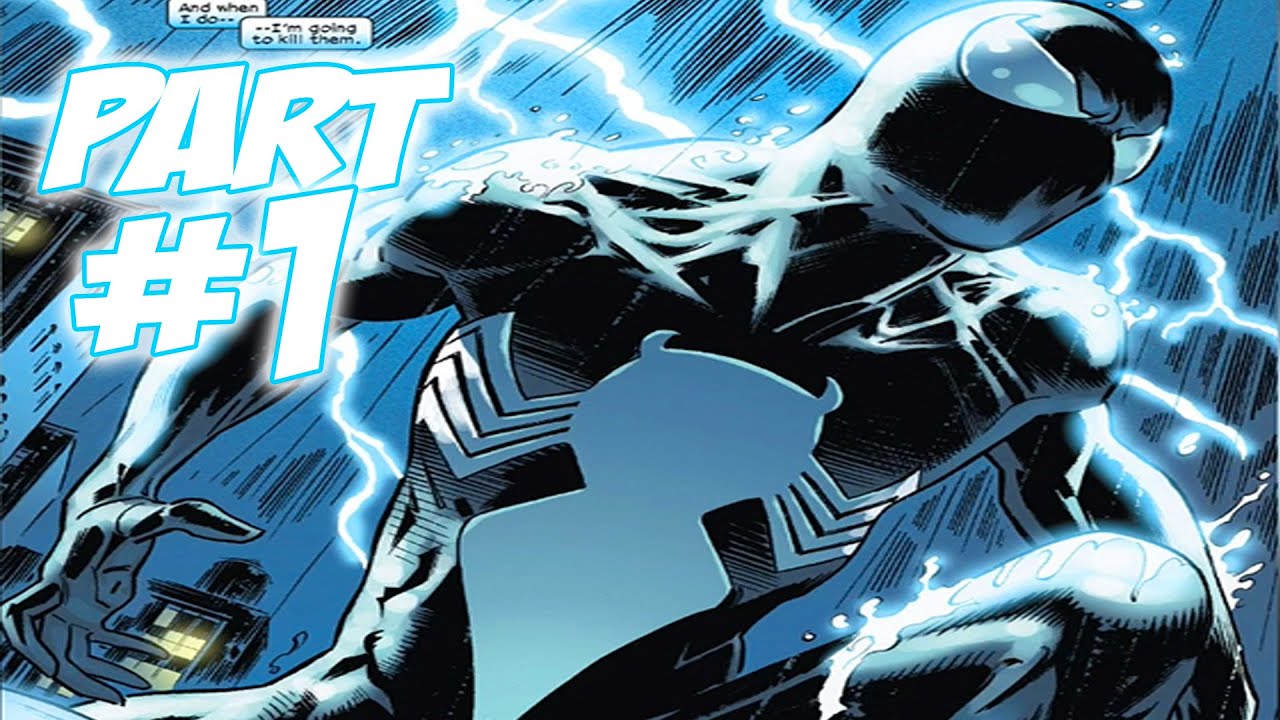
The short answer
The dark suit in this arc has nothing to do with the symbiote: it is a deliberate choice by Peter, hunted ever since Civil War exposed his identity. He tracks down the shooter, humiliates Kingpin in prison, threatens to kill him, then backs away. We break down that psychological shift below.
There comes a moment, even for the most virtuous heroes, when pain wins out over reason. For Peter Parker, that moment is called Back in Black. After a lifetime spent honouring the maxim 'With great power comes great responsibility', Spider-Man is about to let anger and grief take over for the first time in a long while. This is not a simple costume change, but a genuine descent into a moral grey area, triggered by an irreversible personal tragedy: the attempted murder of Aunt May.
Set right after the events of One More Day and right in the middle of the superhero civil war, this landmark 2000s story arc shows a radically different Peter Parker. No more jokes, no more acrobatic showboating. He swaps his red and blue suit for a black version that is more intimidating, more aggressive, more vengeful. Spider-Man becomes a dark, almost haunted figure, one who no longer hesitates to use force to get what he wants.
But how did it come to this? And what does this story reveal about the hero's psychology? In this article, we dive deep into the Back in Black arc, a turning point that shook fans and redefined Spider-Man's moral limits. Through this transformation, we discover a Peter Parker more human than ever, standing at the crossroads between justice and revenge.
Want to explore other moments when Peter tipped into darkness? Head over to our page on Spider-Man's major story arcs, a gripping journey through the web-slinger's highs and lows.
And to step into the shoes of this darker Spider-Man, take a look at our selection of Spider-Man masks and costumes inspired by the character's different eras.
What the 'Back in Black' arc really reveals about Spider-Man
In Back in Black, Peter Parker is no longer the awkward teenager juggling school, family responsibilities and heroic duty. He is a broken man whose mother figure — Aunt May — has been targeted. That triggers a deep psychological transformation in him. Here are the key things to take away from that metamorphosis:
- Personal trauma: The attempted murder of Aunt May is the last straw. Peter feels responsible, and that guilt pushes him to abandon his principles.
- A symbolic black suit: This is not the symbiote, but a deliberate decision by Peter to wear a dark suit again, a byword for rage and cold determination.
- A more brutal Spider-Man: He interrogates, he hits harder, and he is no longer afraid to cross certain lines. The shadow of the Punisher almost hangs over him.
- A Peter at odds with the system: After revealing his identity during Civil War, Peter is hunted. He rejects the authorities, acts alone, and even distrusts his allies.
- A silent tribute to May: Every act of revenge, every strand of web fired, is guided by the love and the despair he feels for his aunt.


This is not a simple revenge story. Back in Black is a plunge into the moral darkness of a normally sunny hero. It questions the why behind his fights, explores the limits of justice, and reminds us that even icons can waver.
A controlled spiral of violence – but at what cost?
Peter Parker has never been a saint. He has always carried within him the anger of a young man deprived of parent figures, eaten away by guilt over the death of his Uncle Ben. But in Back in Black, that anger comes out head-on, raw, almost uncontrollable. There is no room left for jokes or spectacular acrobatics. This Spider-Man works in the shadows, and he strikes without warning.
What is striking across these issues is the way Peter seems to have planned everything when, in reality, he is enduring it all. He wants to avenge Aunt May, but he has no clear target. He looks for the man who fired the shot, follows the trail, takes on Kingpin, interrogates street criminals and leans on informants. He becomes a figure of fear in the dark alleyways of New York – a role that, until then, had never been his.

And yet, for all that openly embraced brutality, Peter never fully tips over. He does not kill. He never crosses the point of no return. In every fight he comes within a hair of the red line without crossing it, and perhaps that is where the real tension of the story lies. This black suit is not just an outfit: it is mental armour, an outlet, a visual warning to anyone who would dare go after the people he loves.
The face-off with Kingpin in prison is a key moment in its own right. Peter humiliates him, physically dominates him, and threatens to kill him… but does not go through with it. That scene crystallises the message of the arc: Spider-Man is human, but he never truly betrays himself. Even though he has the power to take justice into his own hands, he still chooses – by a whisker – to stay on the right side.
Long underrated, this story is today one of the most powerful in terms of psychological development. It shows that even when everything collapses, Spider-Man remains Spider-Man – wounded, enraged, but still guided by a visceral sense of duty.

A dark legacy and pure resilience – Spider-Man never gives up
The story of Back in Black does more than show a darker Spider-Man: it asks what it means to stay a hero when all hope seems lost. This is not a simple revenge arc, but a deep exploration of pain, of grief, and of the contained rage that has always slept inside Peter Parker.
This dark version of the web-slinger is not permanent. It is temporary, almost therapeutic. But it leaves its mark. Even after putting the black suit away, Peter will never be exactly the same again. He has seen what he is capable of, and he has realised he is just as human as the people he fights.
For readers, this arc is an immersion in the rawest side of Spider-Man, the one we often forget behind the punchlines and the rooftop leaps. It is a reminder that the hero in the red and blue suit is above all a man at war with his emotions, his choices and his losses.

Fancy channelling this darker, more intense Spider-Man? Our Figurines collection lets you decorate your space with the wall-crawler in menacing or classic form.
Because deep down, whether in black or in red, Spider-Man remains the symbol of a timeless truth: with great power comes great responsibility, even when your heart is broken.

